



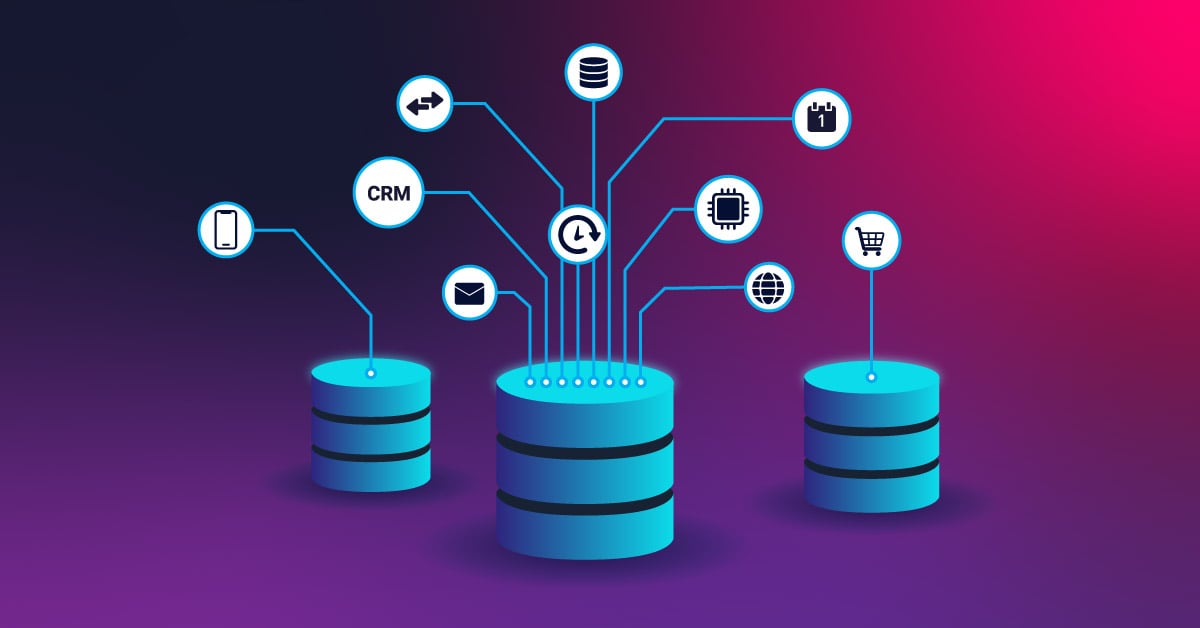
In today’s digital world, databases play an important role in storing and managing information. Every website, mobile app, online shopping platform, banking system, and social media application uses a database. A database helps organizations store data in an organized way so that it can be accessed, updated, and managed easily.
With the growth of technology, many types of databases have been developed. Some are designed for small applications, while others can handle billions of records. In this article, we will learn about the 10 most popular databases used in the technology industry today.
1. MySQL
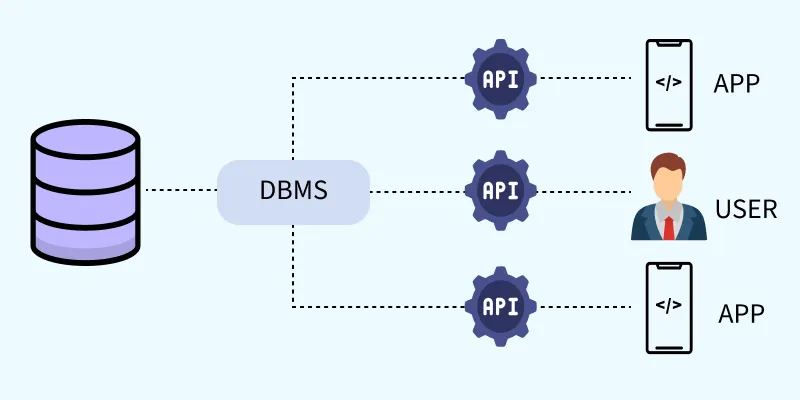
MySQL is one of the most widely used databases in the world. It is open-source, which means anyone can use it for free. MySQL is known for its speed, reliability, and ease of use.
Many websites and web applications use MySQL to store user information, products, and other data. It is a popular choice for beginners and professional developers.
2. PostgreSQL
PostgreSQL is another powerful open-source database. It is known for its advanced features, security, and stability.
Many companies use PostgreSQL because it can handle large amounts of data and complex operations. It is often used in financial systems, government projects, and enterprise applications.
3. MongoDB
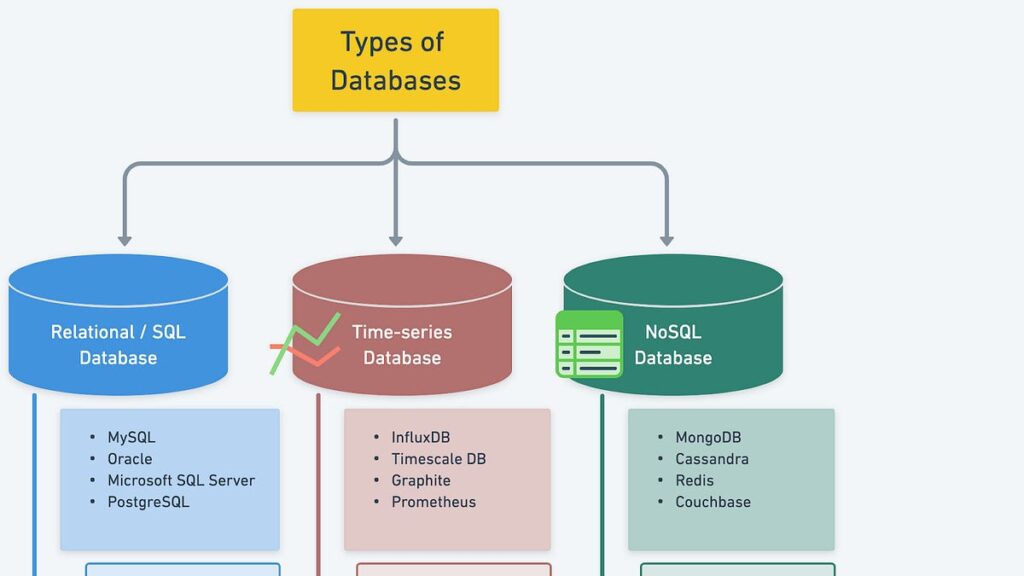
MongoDB is a NoSQL database that stores data in a flexible document format instead of traditional tables.
It is widely used in modern web and mobile applications because it can handle large amounts of unstructured data. MongoDB is popular among startups and companies building fast-growing applications.
4. Microsoft SQL Server
Microsoft SQL Server is a database developed by Microsoft. It is commonly used by businesses that work within the Microsoft ecosystem.
It provides strong security, excellent performance, and powerful reporting tools. Large organizations often use SQL Server for managing business data and customer records.
5. Oracle Database
Oracle Database is one of the most powerful enterprise databases available today. It is designed for large-scale applications that require high performance and reliability.
Banks, telecom companies, and government organizations often use Oracle Database because it can manage huge amounts of critical data securely.
6. SQLite
SQLite is a lightweight database that does not require a separate server. It stores the entire database in a single file.
Many mobile applications, desktop software, and embedded systems use SQLite because it is simple, fast, and easy to deploy. Android devices commonly use SQLite for local data storage.
7. Redis
Redis is an in-memory database, which means it stores data in memory instead of on a hard drive. This makes it extremely fast.
It is often used for caching, session management, and real-time applications where quick data access is important. Many large websites use Redis to improve performance.
8. Cassandra
Cassandra is a highly scalable NoSQL database developed to handle massive amounts of data across multiple servers.
It is designed for applications that require high availability and reliability. Large companies use Cassandra for processing huge volumes of information without downtime.
9. MariaDB
MariaDB was created by the original developers of MySQL. It is compatible with MySQL and offers additional features and improvements.
Many businesses choose MariaDB because it provides excellent performance while remaining open-source and cost-effective.
10. Firebase Realtime Database
Firebase Realtime Database is a cloud-based database provided by Google. It allows applications to update data instantly across multiple devices.
It is very popular among mobile app developers because it simplifies backend development and supports real-time synchronization.
Why Databases Are Important
Databases are essential because they help store, organize, and retrieve information efficiently. Without databases, modern applications would struggle to manage large amounts of data.
Some key benefits of databases include:
- Easy data storage and management
- Fast access to information
- Improved security
- Better data organization
- Support for large-scale applications
- Reliable backup and recovery options
Conclusion
Databases are the foundation of modern technology. From social media platforms and e-commerce websites to banking systems and mobile apps, databases make it possible to store and manage information efficiently.
Among the most popular databases today are MySQL, PostgreSQL, MongoDB, Microsoft SQL Server, Oracle Database, SQLite, Redis, Cassandra, MariaDB, and Firebase Realtime Database. Each database has its own strengths and is designed for different types of applications.
Learning about these databases is a great starting point for students who want to build a career in software development, data engineering, or information technology. As technology continues to grow, database knowledge will remain an important and valuable skill.