




Redis Cache: The Secret to Lightning-Fast Websites
In the fast-paced world of the internet, speed is everything. When a user clicks a link on your website, they expect it to load almost instantly. If your site takes too long, they will leave. As a developer or website owner, one of the most powerful tools you can use to solve this problem is Redis.
If you have ever wondered why some websites feel incredibly smooth while others struggle under heavy traffic, the secret often lies in how they handle data. Redis is the “quick-access” memory that keeps high-performance websites running smoothly.
What is Redis?
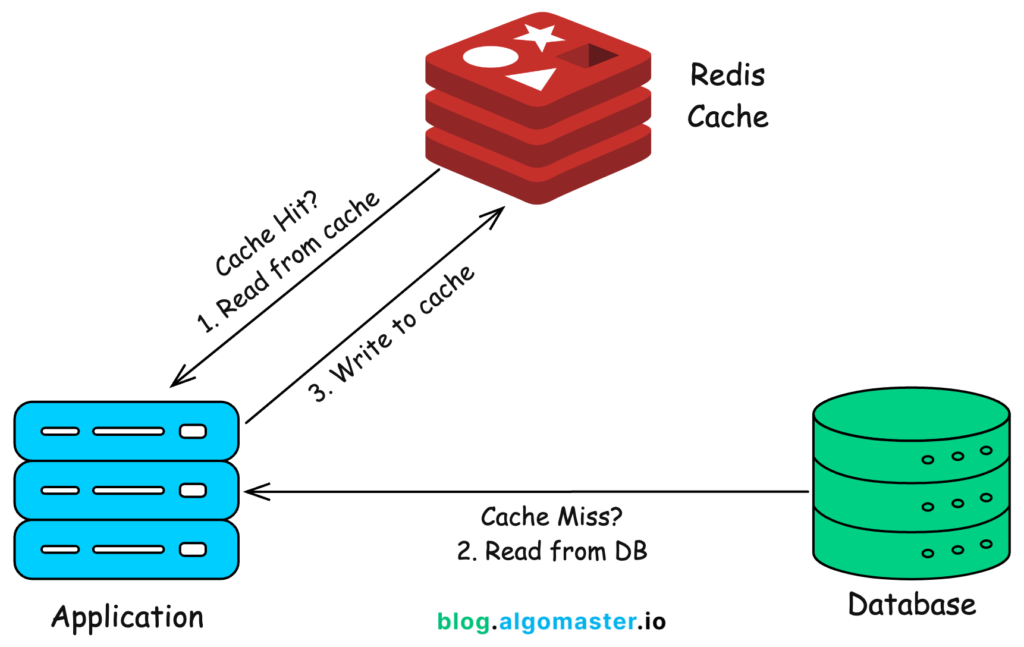
To understand Redis, imagine you are studying for a big exam. You have a massive textbook (your primary database) that contains everything you need to know. However, looking up a specific fact in a 500-page book takes time.
Now, imagine you have a small, sticky note pad on your desk. You write down the most important facts you use every hour and stick them right in front of you. You don’t have to open the big book every time—you just glance at the note.
Redis (Remote Dictionary Server) is that sticky note pad for your website. It is an “in-memory” data store. While your main database stores all your information on a hard drive (which is reliable but slow), Redis stores the most frequently used information in your computer’s RAM (Random Access Memory).
Because RAM is significantly faster than a hard drive, Redis can retrieve data in fractions of a millisecond.
How Redis Makes Your Website Faster
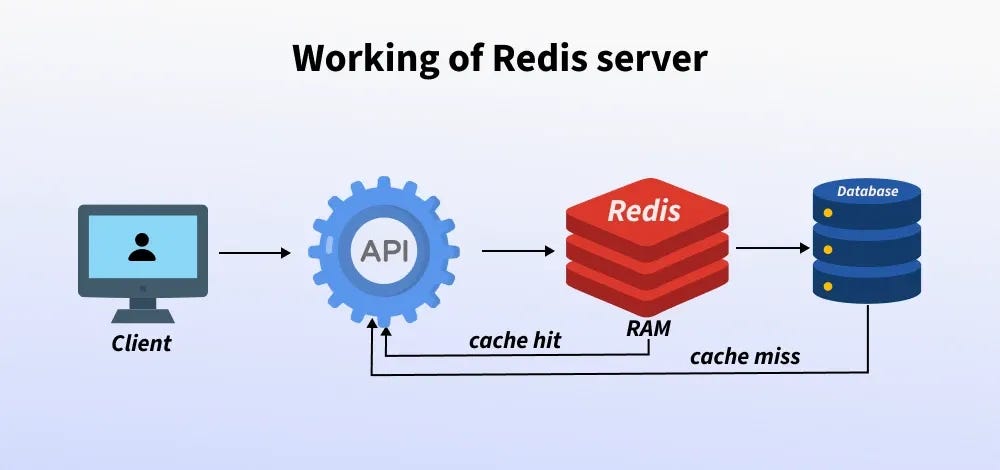
When a user visits your website, your server typically has to do a lot of work:
- Receive the request.
- Run a query to the database (this is the slowest part).
- Process the data using your website’s code.
- Send the finished page back to the user.
If 1,000 people visit your site at once, your database has to work 1,000 times as hard. This often causes the “lag” that users hate.
Redis changes the game by acting as a buffer:
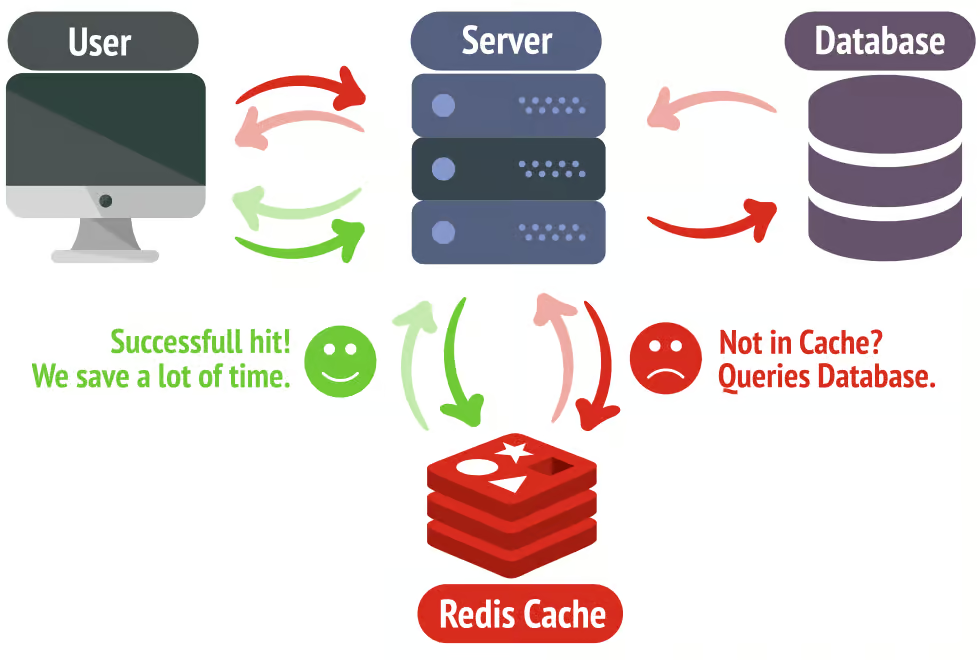
- The First Request: When a user asks for a product page, the server checks the database, gets the data, and shows it to the user. At the same time, it saves a copy of that data in Redis.
- The Next 999 Requests: When the next 999 users ask for that same page, your server checks Redis first. It finds the data instantly, skipping the slow database query entirely.
By removing the bottleneck of the database, your server can respond to users in a fraction of the time, allowing it to handle much more traffic without slowing down.
Why Developers Love Redis
Redis isn’t just about speed; it is incredibly versatile. Here is why it has become a standard in modern web development:
- Versatile Data Types: Unlike some simple caches that only store basic text, Redis supports lists, sets, and “hashes.” This makes it perfect for things like building real-time leaderboards, storing user session data, or managing “Recently Viewed” items on an e-commerce store.
- Scalability: If your website suddenly gets a huge spike in visitors, Redis helps you scale. Because it offloads work from your main database, your database doesn’t crash under pressure.
- Event-Driven: Redis can act as a “message broker,” which is a fancy way of saying it can help different parts of your website talk to each other instantly, making features like real-time chat or live notifications possible.
Is Redis Right for Your Website?
While Redis is powerful, it is important to understand its role. It is not a replacement for your main database. Your main database is designed for security and long-term storage, while Redis is designed for speed and temporary, high-frequency access.
You should consider using Redis if:
- Your site is getting popular: If you are noticing database slowdowns during peak hours, Redis is the best first step.
- You have repeated data requests: If your site displays the same information (like menus, blog post content, or product prices) to many users, caching that in Redis will save your server massive amounts of effort.
- You are building a dynamic app: If you need real-time data, session management, or fast API responses, Redis is the industry standard.
The Bottom Line
A fast website isn’t just about having good code; it’s about being smart with your resources. By using Redis to handle the “heavy lifting” of data retrieval, you provide a better experience for your users and build a more stable foundation for your project’s future growth.
If you are a student or a developer looking to improve your site’s performance, implementing Redis is one of the most effective ways to level up your technical skills and give your users the fast, smooth experience they deserve.
Pro Tip: If you are using WordPress, you can often enable Redis through your hosting control panel (cPanel) or by using a caching plugin. It’s one of the easiest ways to boost your site’s speed today!